
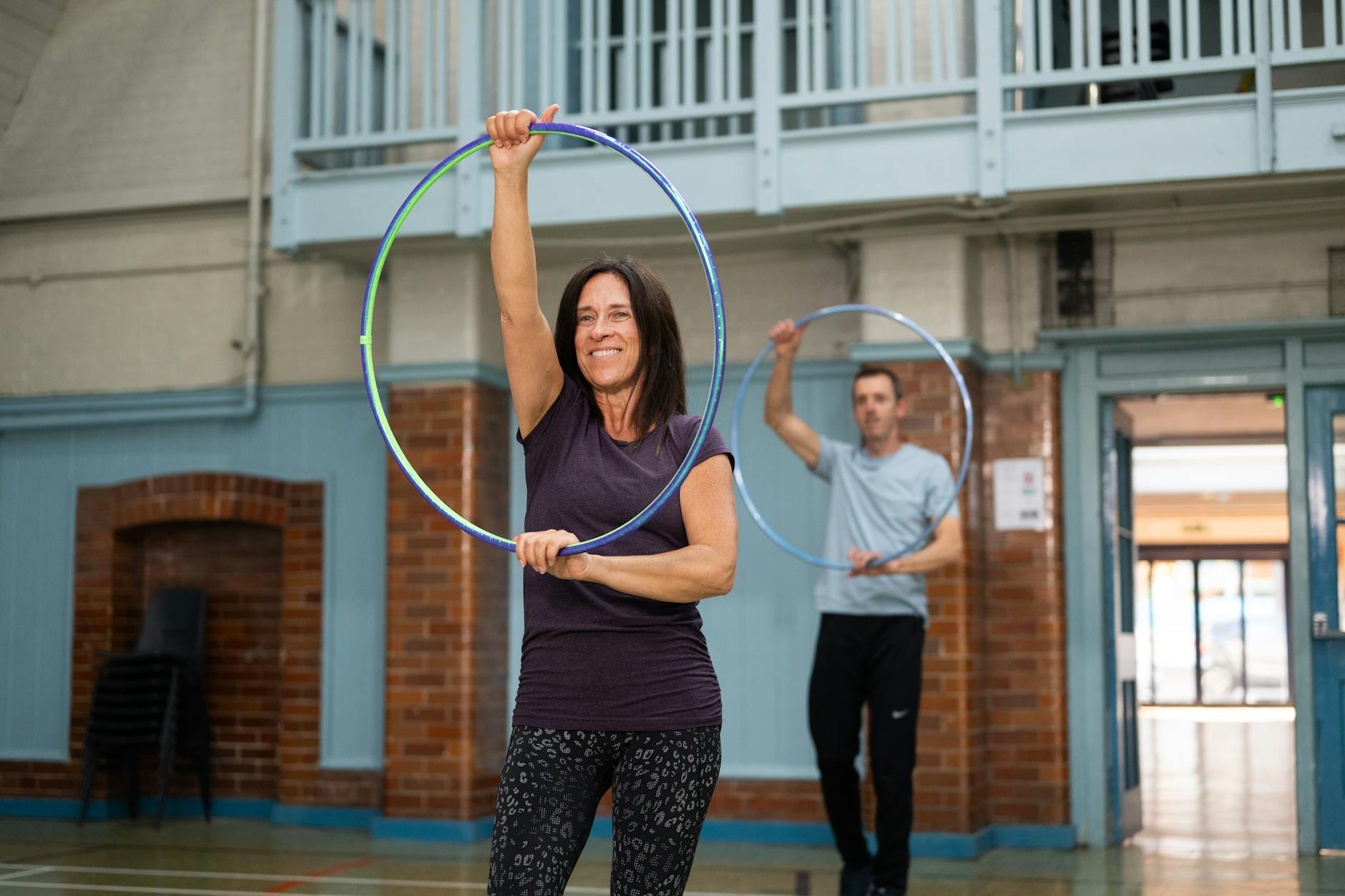
Coordination Exercise Boosts Cognitive Health in Seniors
Aging doesn't have to be a slow decline into sedentary living. In fact, with the right approach, it can be an adventure of discovery and growth! And I'm here to prove it by sharing my favorite fun balance exercises that will keep you on your toes - literally. I'm 85 years young, and I can confidently say that I get younger every year. My secret? Never leaving the playground, where the thrill of play and movement keeps my mind and body sharp.
As a former professor and award-winning potter, I've always believed in the importance of challenging both sides of your brain - every single day. And it's not just about mental stimulation; physical movement plays a vital role in maintaining cognitive health and preventing falls. I recall a particularly memorable experience when I was teaching a movement class to a group of seniors. One of my students, a feisty 80-year-old woman, was struggling to balance on one foot. With some encouragement and playful guidance, she was soon standing tall and steady, beaming with pride. It was a small victory, but it highlighted the significance of balance training in preventing falls and staying active as we age.
The Science Behind Balance Training
Research has shown that coordination exercises can improve cognitive function in older adults. A study published on PMC found that "coordination training" - which requires minimal physical movement - can have a significant impact on cognitive health. This is because cognitive health and physical movement are closely linked; the brain directs our movements, reacts to changes in our environment, and adapts to new situations. By challenging our brains and bodies through balance exercises, we can improve our overall cognitive health and reduce the risk of falls. Furthermore, cognitive training can also play a vital role in improving coordination, as highlighted by the Fall Prevention Foundation. It's essential to understand that cognitive decline is a natural part of aging, but it can be mitigated through regular exercise and mental stimulation.
Fun and Playful Movement Exercises for Balance
So, what is considered play for adults? For me, it's about embracing a sense of curiosity and wonder, trying new things, and having fun while doing it. When it comes to balance exercises, it's essential to make them engaging and enjoyable. Here are some examples of playful movement exercises that you can do at home or in a group setting:
* Single-leg standing: Stand on one foot, with the other foot lifted off the ground. Hold for 10-15 seconds, then switch feet. You can make it more challenging by closing your eyes or standing on a pillow.
* Heel-to-toe walking: Walk along a straight line, placing the heel of one foot directly in front of the toes of the other foot. You can add some music to make it more fun and engaging.
* Balance boards: Use a balance board or a BOSU ball to challenge your balance and stability. You can stand on it, do squats, or even play games like balance board soccer.
* Tai chi: This ancient Chinese practice combines slow movements, deep breathing, and meditation to improve balance, flexibility, and overall well-being.
These exercises may seem simple, but they can have a significant impact on your balance and cognitive health. The key is to make them fun and engaging, so you'll want to do them regularly. Remember, the playground doesn't care how old you are - it's all about attitude and a willingness to play and learn.
Making Balance Training a Habit
Incorporating balance exercises into your daily routine can be easy and enjoyable. Here are some tips to get you started:
* Start small: Begin with short exercises, like single-leg standing or heel-to-toe walking, and gradually increase the duration and intensity.
* Find a buddy: Exercise with a friend or family member to make it more enjoyable and motivating.
* Make it a game: Turn balance exercises into games or challenges, like balance board soccer or "Simon says" with a balance twist.
* Schedule it: Treat balance exercises as a non-negotiable part of your daily routine, just like brushing your teeth or taking a shower.
By making balance training a habit, you'll be improving your cognitive health, reducing the risk of falls, and staying active and independent as you age. Just keep moving, and never leave the playground! As I always say, challenge both sides of your brain - every single day - and you'll be amazed at the results.
In conclusion, aging is not a decline, but an adventure of discovery and growth. By embracing play and movement, we can stay young, sharp, and active, regardless of our age. So, come and join me on the playground, where the fun never stops, and the benefits are endless. Visit neverleavetheplayground.com to learn more about movement education and to start your journey to a younger, healthier you. Never leave the playground - it's where the magic happens!
Watch Stephen in Action
See these exercises demonstrated in Stephen's video program — playful movements anyone can do, at any age.
Browse the Video Collection →Stephen Jepson is 85 — and still teaching the world to move
His video program walks you through the exact playful exercises in this article — balance, coordination, and brain challenges you can do at home, at any age. Gentle, fun, and proven.
Stay on the Playground
Get Stephen's tips on movement, brain health, and longevity — free.