
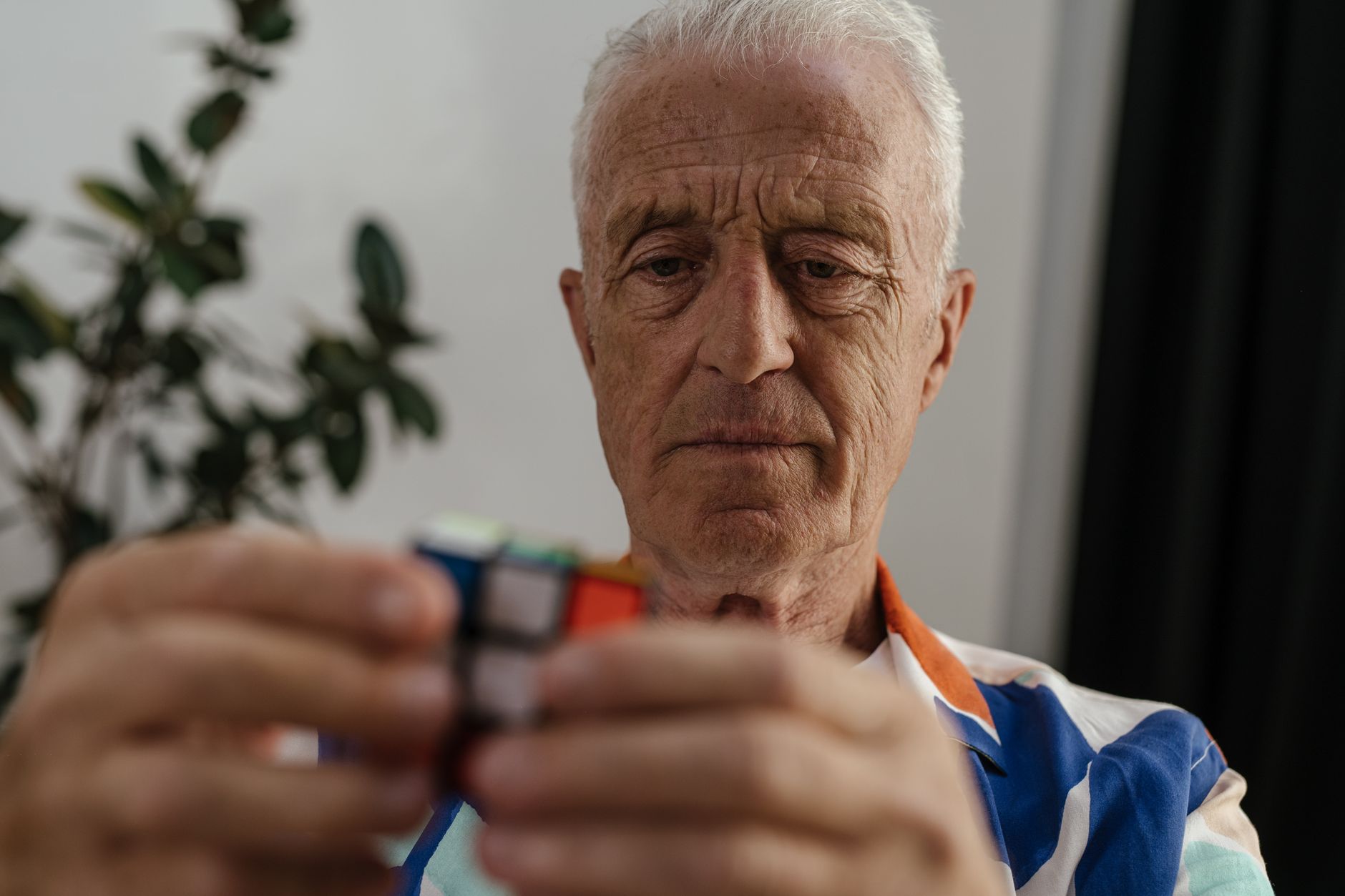
Neuroplastic Brain Breakthroughs: New Frontiers in Aging
I still remember the look on my grandson's face when I swung from the monkey bars at the playground last week. He was laughing so hard he could barely breathe, and I was grinning from ear to ear. It was one of those moments that reminded me why I always say, "I get younger every year — you can too." As I've grown older, I've come to realize that the key to staying young is not about slowing down, but about staying curious and keeping our minds and bodies engaged. And what better way to do that than through playful movement?
Embracing Playful Movement
As I look back on my life, I realize that I've been fortunate enough to have always had a passion for movement. Whether it was playing sports in my youth, teaching movement classes as a professor, or simply playing with my grandchildren, I've always believed that movement is essential to living a happy and healthy life. But it wasn't until I started exploring the concept of playful movement that I truly understood its power. Playful movement is not just about exercising or staying active; it's about challenging ourselves, trying new things, and having fun. And the best part is that it's never too late to start. The playground doesn't care how old you are — it's a place where anyone can come to play, learn, and grow.
My personal journey with playful movement began many years ago, when I started taking pottery classes. I had always been fascinated by the idea of shaping clay into beautiful and functional pieces of art, and I found that the process of creating was not only therapeutic but also challenging. As I worked with the clay, I had to use both sides of my brain — the creative side to envision the piece, and the analytical side to bring it to life. This balance of creativity and analysis is what I believe is at the heart of playful movement. By challenging both sides of our brains, we can stay engaged, motivated, and inspired. And that's exactly what I experience every time I step onto the playground.
Stephen's two video programs — $12.99 for both
Active Play + 5-in-1 Training, one-time price, 30-day money-back guarantee.
Get the Complete Bundle →The Science of Playful Movement
So, what does the science say about playful movement? Research has shown that physical exercise, particularly when it's playful and engaging, can have a profound impact on our brain health. Exercise has been shown to increase neuroplasticity, which is the brain's ability to adapt and change in response to new experiences. This means that when we challenge ourselves through playful movement, we're not only improving our physical health but also our cognitive function. And it's not just about the exercise itself — it's about the sense of play and engagement that comes with it. When we're having fun, we're more likely to stick with an activity, and that's what leads to real change.
But the benefits of playful movement don't stop there. Studies have also shown that engaging in diverse, stimulating activities can support brain health by promoting neuroplasticity. This means that whether we're playing sports, learning a new language, or simply trying a new recipe, we're challenging our brains and keeping them healthy. And the best part is that it's never too late to start. Whether we're 8 or 80, we can all benefit from playful movement. So, what is considered play for adults? It's not just about going to the playground and swinging on the swings (although that's a great place to start!). It's about finding activities that bring us joy, challenge us, and keep us engaged.
Putting Playful Movement into Practice
So, how can you start incorporating playful movement into your life? The first step is to find an activity that you enjoy. It might be playing a sport, taking a dance class, or simply playing with your grandchildren. The key is to find something that brings you joy and makes you feel alive. And don't be afraid to try new things — that's where the real growth happens. Remember, challenge both sides of your brain — every single day. Whether it's through a creative activity, a physical challenge, or simply trying something new, you'll be amazed at how much more engaged and motivated you'll feel.
One practical step you can take today is to schedule playtime into your daily routine. It might be as simple as taking a 10-minute walk around the block, playing a game with your family, or trying a new recipe in the kitchen. The key is to make play a priority and to find ways to incorporate it into your daily life. And don't worry if you don't have a lot of time — even small moments of play can make a big difference. Just keep moving, and you'll be amazed at how much more energy and vitality you'll have.
The Power of Playful Movement
As I look back on my life, I realize that playful movement has been the key to my health, happiness, and success. It's allowed me to stay young, curious, and engaged, even as I've grown older. And I believe that it can do the same for you. Whether you're 8 or 80, playful movement is a powerful tool that can help you live a happier, healthier life. So, don't be afraid to get out there and play — your body and brain will thank you.
In closing, I want to leave you with a challenge. Never leave the playground. Whether you're a child or an adult, the playground is a place where you can come to play, learn, and grow. It's a place where you can challenge yourself, try new things, and have fun. And it's a place where you can stay young, curious, and engaged, no matter what your age. So, come and join me on the playground — let's play, learn, and grow together. Visit neverleavetheplayground.com to learn more about the power of playful movement and to join our community of like-minded individuals who are dedicated to living happy, healthy, and playful lives.
Watch Stephen in Action
See these exercises demonstrated in Stephen's video program — playful movements anyone can do, at any age.
Browse the Video Collection →Stephen Jepson is 85 — and still teaching the world to move
His video program walks you through the exact playful exercises in this article — balance, coordination, and brain challenges you can do at home, at any age. Gentle, fun, and proven.
Stay on the Playground
Get Stephen's tips on movement, brain health, and longevity — free.
Stephen's two video programs — $12.99 for both
Active Play + 5-in-1 Training, one-time price, 30-day money-back guarantee.
Get the Complete Bundle →