
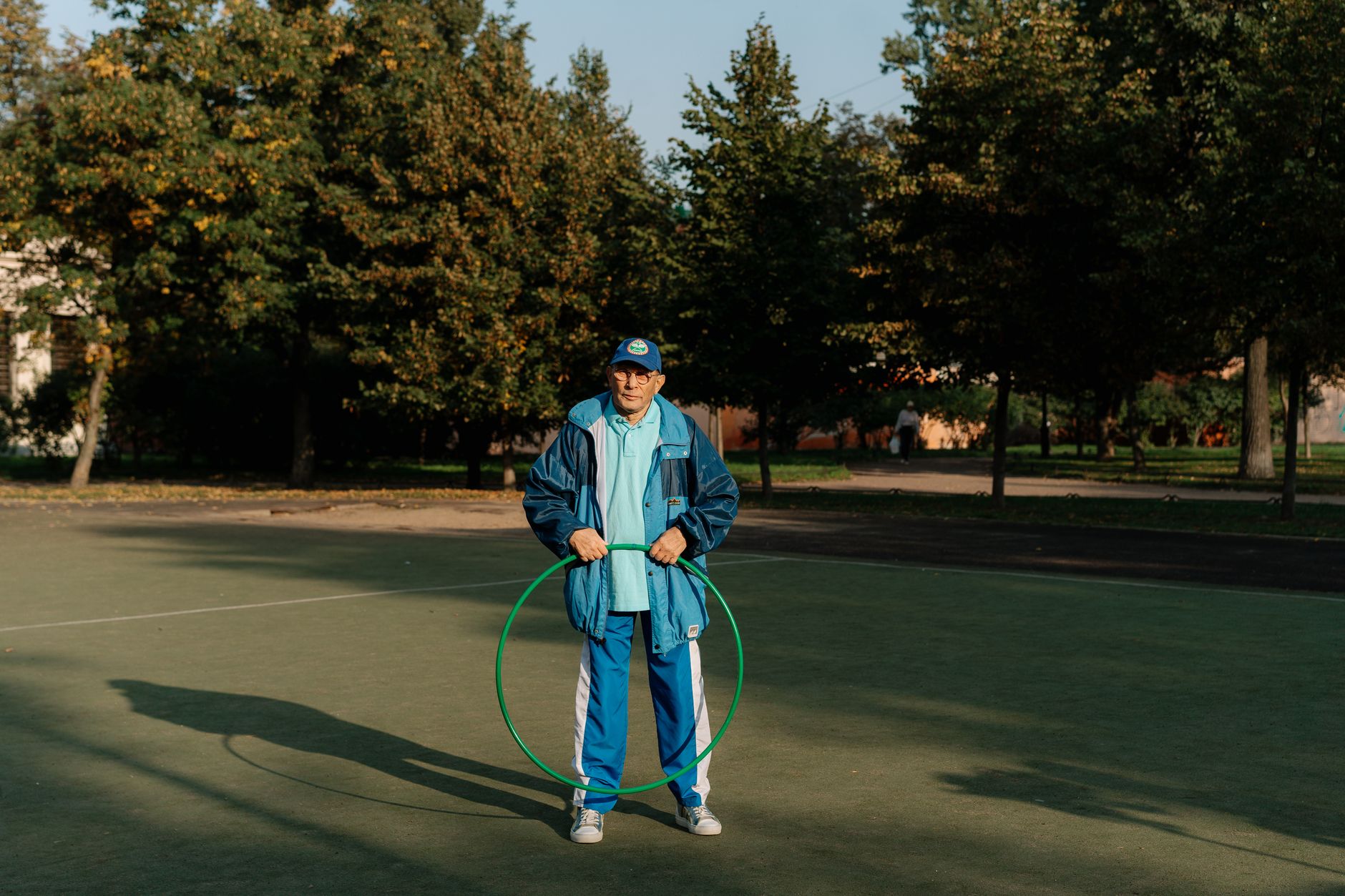
Play for Brain Health: The Secret to a Younger Mind
Never Leave the Playground: How Playful Balance Exercises Keep Your Brain Young
Let's face it: falls are a fact of life as we age. But what if I told you there's a way to virtually eliminate them? It starts with balance exercises that aren’t just about standing on one leg—although that’s part of it, too. Today, I want to share my personal journey and how playful movement can keep your brain young.
Stephen's two video programs — $12.99 for both
Active Play + 5-in-1 Training, one-time price, 30-day money-back guarantee.
Get the Complete Bundle →About 20 years ago, I began noticing a subtle decline in my balance and coordination. At 65, I felt like I was starting to lose some of the agility I once had. That’s when I decided to explore various exercises that would not only enhance physical strength but also engage my mind. I signed up for a local dance class, where I met fellow seniors who were just as eager to stay active and engaged.
The class wasn’t just about dancing; it was about moving in a way that challenged both sides of the brain—left for logic and right for creativity. We laughed, we sweat, and most importantly, we moved in ways that felt fun rather than choreographed. It was clear from day one that these playful exercises were making a difference.
The Science Behind Playful Balance Exercises
Research backs up what I’ve experienced. A study published in the *Journal of Aging and Physical Activity* found that engaging in regular physical activities, especially those that include balance training, can significantly improve cognitive function and reduce the risk of falls among older adults. Another study in *The Lancet* highlighted how playful movement can enhance neural plasticity, keeping the brain sharp well into old age.
But here’s the kicker: these exercises don’t have to be formal or overly structured. They can be as simple as walking on uneven surfaces or practicing yoga poses that challenge your balance. The key is to make them enjoyable and engaging enough that you look forward to doing them every day, just like I did with my dance classes.
Practical Steps for Enhancing Balance and Cognitive Function
So, how do you get started? Here are a few steps inspired by my own experience:
1. **Find Fun Activities**: Look for classes or activities that combine physical movement with social interaction. Dancing, yoga, tai chi—these all offer great benefits.
2. **Incorporate Playful Challenges**: Try to include balance exercises in your daily routine. You can use household objects like a BOSU ball or even a simple pillow to challenge your stability.
3. **Stay Consistent**: Make sure you do these exercises regularly, ideally every day. Consistency is key to seeing improvements.
Why It Matters at Any Age
You might think that balance and cognitive exercises are only for seniors, but I get younger every year—both in body and mind—and so can you. The playground doesn’t care how old you are; it’s a place where everyone can explore, laugh, and learn new skills. Whether you’re 20 or 85, there’s always something to discover.
Just keep moving. And if you need help getting started, check out my video program on Never Leave the Playground. See these exercises demonstrated—playful movements anyone can do, at any age.
Closing Inspiration
Never leave the playground. Whether it's a dance class, a yoga session, or even just walking through your neighborhood, keep engaging in activities that challenge and inspire you. The key is to find joy in movement and playfulness. It’s not about how old you are; it’s about staying young at heart.
Might I suggest signing up for my video program today? Just keep moving—every single day. The playground awaits!
Visit [Never Leave the Playground](https://neverleavetheplayground.com) to learn more and start your journey toward a healthier, happier life.
Watch Stephen in Action
See these exercises demonstrated in Stephen's video program — playful movements anyone can do, at any age.
Browse the Video Collection →Stephen Jepson is 85 — and still teaching the world to move
His video program walks you through the exact playful exercises in this article — balance, coordination, and brain challenges you can do at home, at any age. Gentle, fun, and proven.
Stay on the Playground
Get Stephen's tips on movement, brain health, and longevity — free.
Stephen's two video programs — $12.99 for both
Active Play + 5-in-1 Training, one-time price, 30-day money-back guarantee.
Get the Complete Bundle →